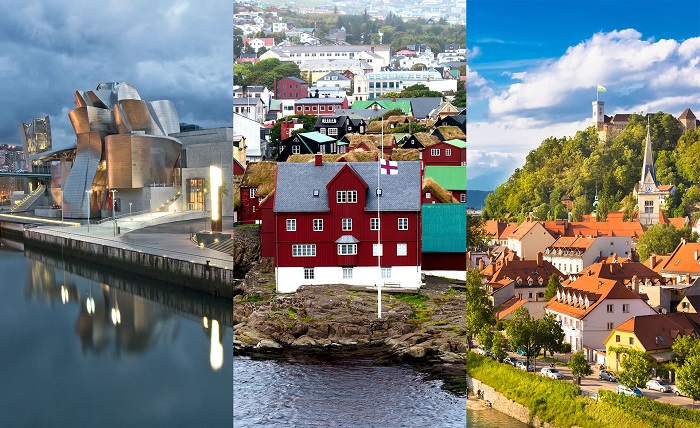
A European summer can be dazzling: long, honey-colored evenings, lively plazas, glittering coastlines, and easy cross-border movement. It can also be a loud, crowded, expensive puzzle, where the prettiest streets feel congested and the “great deal” disappears between one search and the next. The difference between a restorative trip and a draining one is rarely luck—it’s planning that anticipates peak-season behavior.
Peak season creates a peculiar emotional loop: people make rapid decisions to avoid missing out, then feel stressed about what they paid; they chase certainty, refresh listings, and—mid-search—some even click into a royal roulette casino tab as a distraction from suspense, even though travel outcomes are shaped less by chance than by constraints you can model and manage. If you treat crowds and prices as predictable forces, you can design around them instead of fighting them.
Understand the Peak-Season Machine
Crowds and high prices are not random; they’re the result of synchronized calendars and limited capacity. School holidays compress demand into the same weeks. Iconic destinations have physical bottlenecks—narrow historic centers, limited museum entry slots, finite coastal lodging. Transportation adds another layer: the best departure times and most direct routes sell out first, pushing late planners into inconvenient itineraries that feel both pricier and worse.
The most useful mental model is this: summer is not one season; it’s a set of stacked micro-seasons. A city can be relatively calm in early June, intensely packed in late July, and calmer again in early September—despite all of it being “summer.” Your job is to pick the micro-season that matches your tolerance for crowds and your budget’s elasticity.
Choose Timing: Shoulder Edges and Micro-Seasons
If your schedule allows any flexibility, the biggest lever is timing. The “shoulder edges” of summer—late spring into early summer, and late summer into early autumn—often deliver similar weather with less congestion and softer prices.
Practical timing tactics:
- Target early weeks rather than peak holiday weeks when possible. Even a one-week shift can change the entire texture of a trip.
- Use weekday bias: arrivals, departures, and major attractions tend to be calmer midweek.
- Avoid stacking “event gravity”: festivals, long weekends, and major sports events amplify crowd density and pricing. If you do want an event, plan around it intentionally rather than stumbling into it.
Timing isn’t only about cost. It’s about the quality of space: the ability to linger, to find a table without aggressive competition, and to move without constant friction.
Geography: Swap Hotspots for Nearby Lookalikes
The second biggest lever is geography. Many travelers choose the same famous nodes, creating a predictable concentration of demand. You can preserve the essence of a region by shifting one step away from the most obvious center.
Strategies that work:
- Pick “ring towns”: base yourself just outside a marquee city and day-trip in early. You often get calmer evenings, more space, and better value.
- Choose secondary coasts: a celebrated coastline will be crowded; a nearby stretch with fewer headlines can be equally beautiful and far less stressful.
- Rotate environments: mix one iconic destination with one quieter inland area. The contrast makes the famous place feel special instead of exhausting.
This isn’t about avoiding popular places altogether. It’s about controlling exposure: you can have the highlights without living inside the crush.
Transport: Lock the Skeleton, Keep Options
In peak season, transportation is where comfort and cost quietly collide. The goal is to lock the “trip skeleton” early—your main intercity moves—while keeping day-to-day choices flexible.
A resilient approach:
- Book the critical legs first: long-distance routes and the segments that align with fixed dates (events, reservations, meetups).
- Prefer fewer connections: every connection is a risk multiplier during busy months.
- Build buffer time: summer delays and crowded stations make tight transfers more fragile.
- Stay adaptable locally: once you’re in a region, you can decide on day trips based on weather, energy, and crowd reports.
Think of this like engineering: your core structure should be stable; your optional components should be modular.
Lodging: Neighborhood Math and Cancellation Leverage
Lodging is often the largest single expense, and it determines daily friction. A cheaper room far away can be costly in time, transport fees, and fatigue.
Make lodging decisions with “neighborhood math”:
- Walkability beats perfection: being able to stroll to dinner or the waterfront reduces daily spending and stress.
- Account for heat and terrain: a 20-minute uphill walk in summer sun is not the same as a flat stroll.
- Prioritize sleep: crowded streets, late-night noise, and thin walls can degrade the entire trip.
If you’re booking early, cancellation terms are a strategic tool. Reserving a solid option with flexible terms can protect you while you keep searching. Just avoid overbooking so you don’t create your own chaos.
Daily Tactics: Beat Queues Without Over-Scheduling
Crowds don’t have to control your days. You can use simple rhythms that let you see popular sights without spending your entire trip in lines.
High-impact daily tactics:
- Start early, rest midday, roam late: mornings are calmer; midday heat and crowds peak; evenings become magical again.
- Bundle nearby sights: reduce cross-town travel during high-traffic hours.
- Choose one “anchor” per day: a timed entry or must-see highlight, then keep the rest flexible.
- Embrace alternative viewpoints: sometimes a less famous museum, a smaller neighborhood market, or a quiet hilltop walk gives you a more intimate experience than the headline attraction.
The objective isn’t to conquer everything; it’s to preserve your energy for the moments that feel vivid and personal.
Budget Guardrails: Caps, Buffers, and the Peak-Season Tax
Summer travel includes a “tourist tax” that isn’t always a literal fee: it’s the premium you pay for convenience under pressure. The antidote is a budget with guardrails.
Use a three-part structure:
- Base costs: transport, lodging, basic meals.
- Choice costs: upgrades, special experiences, occasional splurges.
- Buffer: a reserved cushion for surprises—delays, weather pivots, an extra night, or a must-do opportunity.
The buffer is what keeps you from resentment spending. Without it, every unexpected cost feels like a personal affront; with it, you can respond calmly.
Etiquette and Sustainability: Be a Low-Friction Visitor
Crowded summers create strain on residents and infrastructure. A smoother trip is also a more considerate one.
Simple, high-value behaviors:
- Respect quiet hours in residential areas.
- Keep groups compact in narrow streets and transit corridors.
- Choose local rhythms: eat a bit earlier or later than peak dinner time; shop in neighborhood markets; spread your time beyond the central square.
- Leave space better than you found it: heat and crowds already stress public areas—small acts of care matter.
Being low-friction improves your experience too: you’ll get warmer interactions and fewer stressful confrontations.
The Calm, Strategic European Summer
Planning around crowds and high prices isn’t about stripping joy from travel—it’s about protecting it. Choose the right micro-season, shift geography intelligently, lock your structural transport early, and pick lodging that reduces daily friction. Then run your days with gentle rhythms: early starts, midday pauses, and flexible evenings. The result is a summer trip that feels sunlit and expansive, not cramped and expensive—proof that peak season can still be generous when you plan like a realist.